Whether you are renting your first studio or trying to fix a family home, here are ideas you probably haven’t heard before so you can build a home that looks like you in 2026.
I – You don’t have style because you aren’t being intentional
When it comes to interior design, people tend to focus on one of the two requirements for success:
- Buying expensive items to signal status.
- Making intentional choices so that every object has a reason to exist.
Most people buy a generic item, hype themselves up that it was a good deal, then realize months later that their living room has no soul, because they were trying to build a beautiful home on a foundation of indifference.
For example.
Think of a home that feels luxurious. It doesn’t matter if it’s minimal or maximalist. Do you think the owner just grabbed the first rug they saw on the shelf? Do you think they bought the entire catalog? It may seem effortless, but the truth is that they curated that space. They embraced friction. They mixed textures.
To many people, being intentional with a toilet brush or a curtain rod seems extreme. Should be natural.
Is it a question of budget? It is a question of choice.
If someone says they can’t have a nice home because they are broke, don’t believe them. Not because money doesn’t help, but because they will make the same cheap mistakes that cost nothing to fix.
You say you want a home that feels like a sanctuary. But your actions like leaving cables exposed, using plastic tablecloths, sticking magnets on the fridge, tell a different story.
II – You are killing your space because you are afraid of empty space or the lack thereof.
Furniture arrangement is the architecture of daily life. Trust the flow, not the walls.
If you want to change how your home feels, you must understand how space works so that you can start to reprogram it.
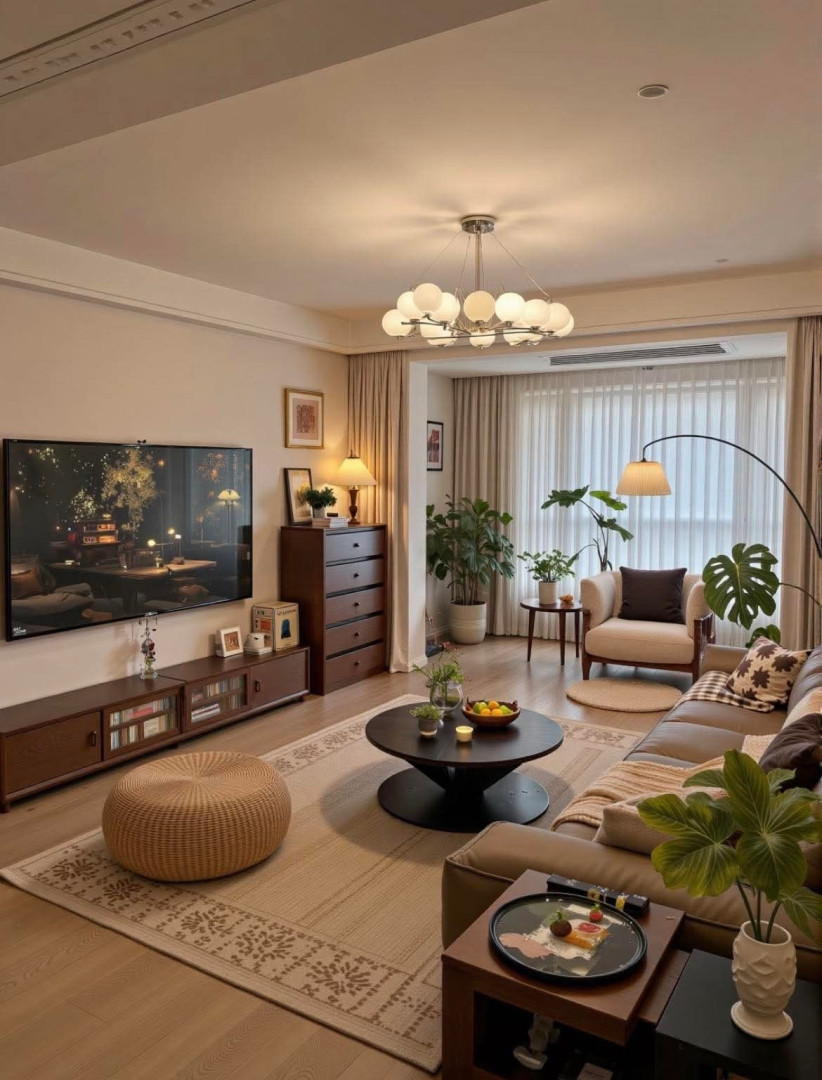
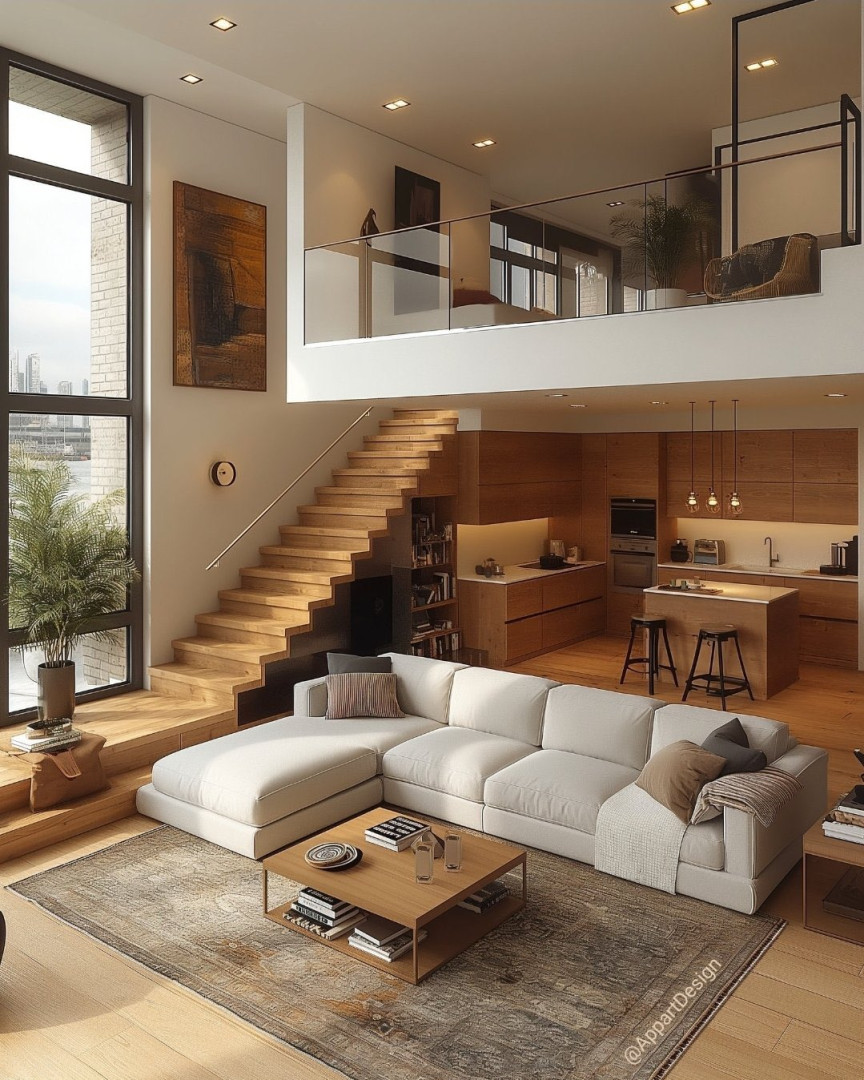
The first step is realizing that pushing all your furniture against the walls is a crime against design. Unless you are hosting a ball, you do not need a dance floor in the middle of your living room. It makes the room look flat and cheap. Floating a sofa creates circulation. It creates zones. Shockingly, it makes the room look bigger.
On an even more unconscious state, we make errors that betray a lack of planning.
- The Oversized Sofa: You buy a massive corner unit for a small room because you want comfort, but you end up with a room that feels suffocating.
- The Postage Stamp Rug: You buy a rug that is too small causing your furniture to look disjointed. If the front legs of your sofa aren’t on the rug, the rug is too small.
- The TV Imbalance: Your TV is wider than the stand it sits on. This creates a top-heavy, precarious look that screams I didn’t measure this.
The lesson here is that real style requires understanding scale.
III – You are addicted to the “Showroom” aesthetic
Here’s how you’ve become trapped in a generic home, and how you will break out of it. This is the anatomy of the Catalog Trap:
- You need furniture.
- You go to a furniture store.
- You buy the matching table, chairs, and sideboard from the same collection.
- You add generic art (Live, Love, Laugh) because the walls felt empty.
- Your home looks like a hotel lobby in 1902.
This is lazy design. It has no character. It has no friction.
If you buy a table, get chairs from a different collection. If you need art, do not buy mass-produced prints of pebbles or Buddhas. Paint something yourself. Find a vintage poster. Support a local artist. If you put a Cuisine sticker in your kitchen… please stop. We know it’s a kitchen.
When you create a uniform look (matching everything), you are protecting yourself from the risk of making a mistake. But in doing so, you guarantee boredom.
By Team Developers Point Kenya.
Discover great houses | www.developerspointkeny.com